
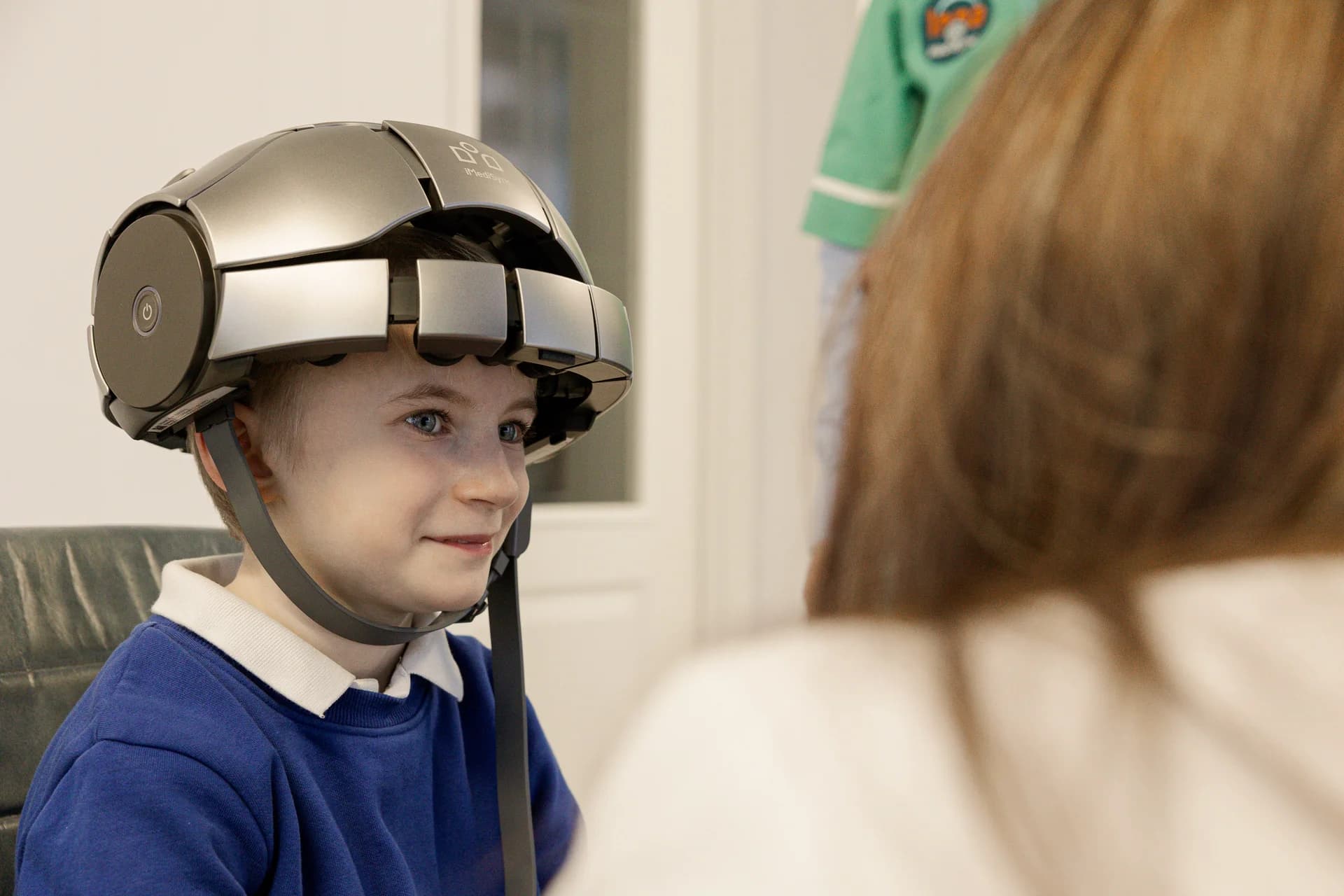
ADHD & Focus
A Brain-Based Approach to Attention and Executive Function
ADHD is not a lack of willpower — it is a measurable pattern of brain activity. Neurotherapy trains the specific neural networks responsible for attention and self-regulation, offering a non-invasive, drug-free path forward.
Human care powered by advanced clinical technology.
What Does ADHD Look Like in the Brain?
ADHD is one of the most well-researched conditions in neurofeedback. Brain mapping consistently reveals a characteristic pattern: an elevated theta-to-beta ratio, particularly over the frontal cortex. In practical terms, this means the brain produces too much slow-wave activity (associated with daydreaming) and not enough fast-wave activity (associated with focus and task engagement).
This is why individuals with ADHD often describe feeling as though their brain simply will not cooperate — it is not a matter of effort or motivation, but of neural regulation. The good news is that these patterns are trainable. Neurofeedback teaches the brain to produce more efficient ratios of brainwave activity, improving attention, impulse control, and executive function over time.
The American Academy of Child and Adolescent Psychiatry (AACAP) rates neurofeedback as a Level 1 ("Best Support") intervention for ADHD. At Inna MediSync, we use QEEG data to identify your precise pattern and design a protocol that targets your brain's specific needs. Sessions are 3 to 30 minutes each, and a full programme typically involves 20 to 40 sessions, with progress monitored through regular brain mapping assessments.
How Neurofeedback Addresses ADHD
Theta/Beta Ratio Training
The most established neurofeedback protocol for ADHD involves training the brain to reduce excess theta (slow-wave) activity and increase beta (fast-wave) activity over the frontal cortex. This directly addresses the core neural signature of ADHD.
Strengthening Attention Networks
Neurofeedback targets the brain's attention networks — the prefrontal and anterior cingulate cortex — helping to build sustained focus and reduce distractibility through repeated, guided practice.
Improving Executive Function
Executive functions such as planning, organising, and impulse control are governed by frontal lobe activity. By training these regions, neurofeedback supports improvements in daily functioning and self-regulation.
Complementing Existing Support
Neurofeedback can be used alongside medication, behavioural therapy, or coaching. Many families find it offers additional benefits that other approaches alone may not achieve.
Ready to find out if this approach is right for you? Our clinical team can guide you.
What to Expect
Assessment
A comprehensive QEEG brain map reveals your unique attention patterns, including the theta/beta ratio and any other areas of dysregulation.
QEEG · 60–90 minProtocol Design
Your clinician creates a personalised neurofeedback protocol targeting the specific brain regions and frequencies identified in your map.
Personalised · TargetedNeurotherapy Sessions
Engaging 3–45 minute sessions producing healthier brain functionality. Designed for all ages, including children from 4 years old.
3–45 min · All AgesProgress Review
Regular check-ins and optional repeat brain maps track objective improvements in attention, focus, and executive function over the course of your programme.
Measurable · ObjectiveClinical Evidence for Neurofeedback and ADHD
Neurofeedback is not a replacement for professional medical care. Always consult your GP or specialist.
Who Is This For?
Neurofeedback for ADHD is suitable for children, adolescents, and adults. Whether you have a formal diagnosis or are exploring attention challenges for the first time, our neurotherapy team will assess whether this approach is appropriate for you.
Not sure if it's right for you?
Book a private 15-minute phone consultation. Our clinical team will listen carefully and advise whether this is the appropriate path for you.
Frequently Asked Questions
How a session works for children
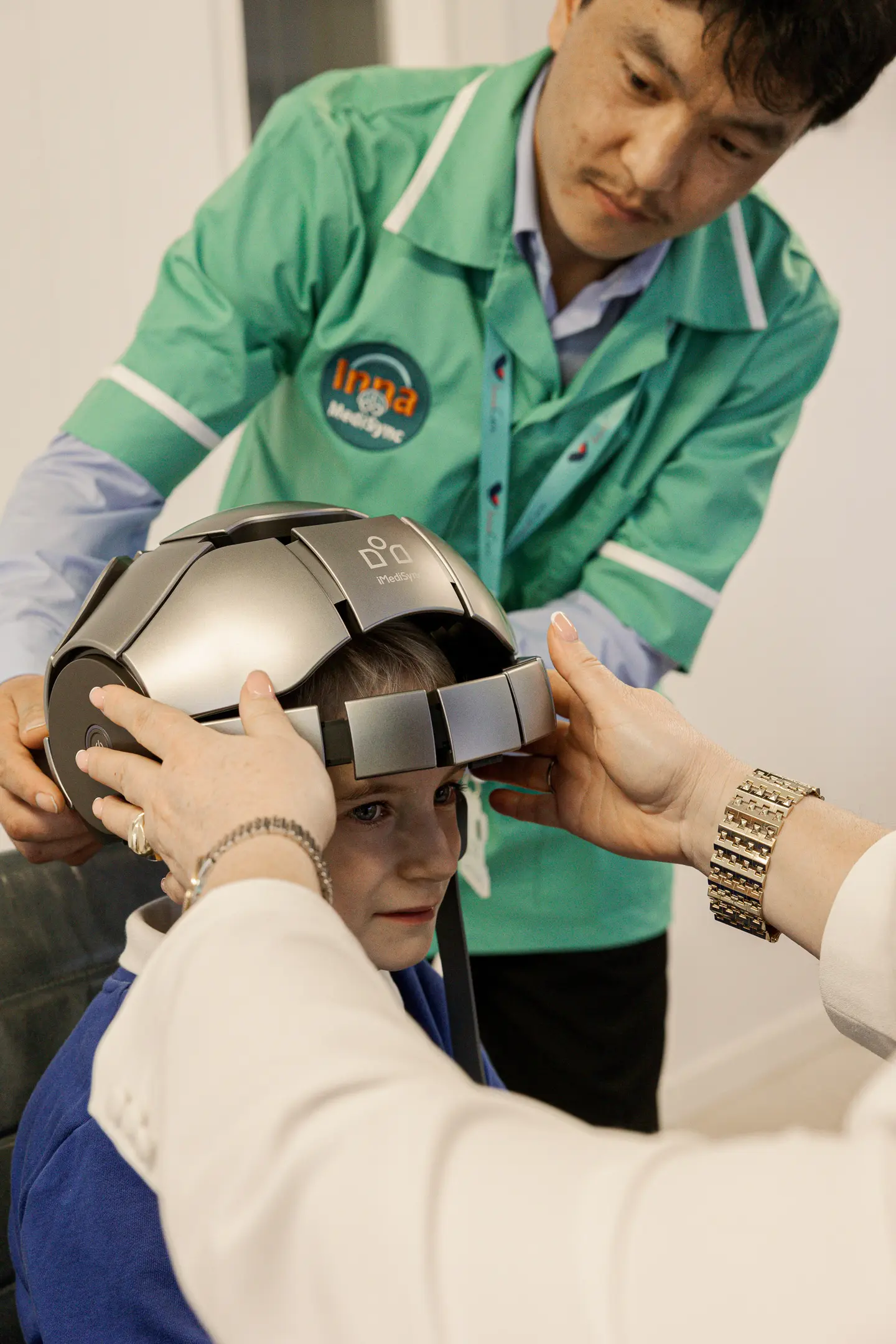
Step 1 — Getting to know the device
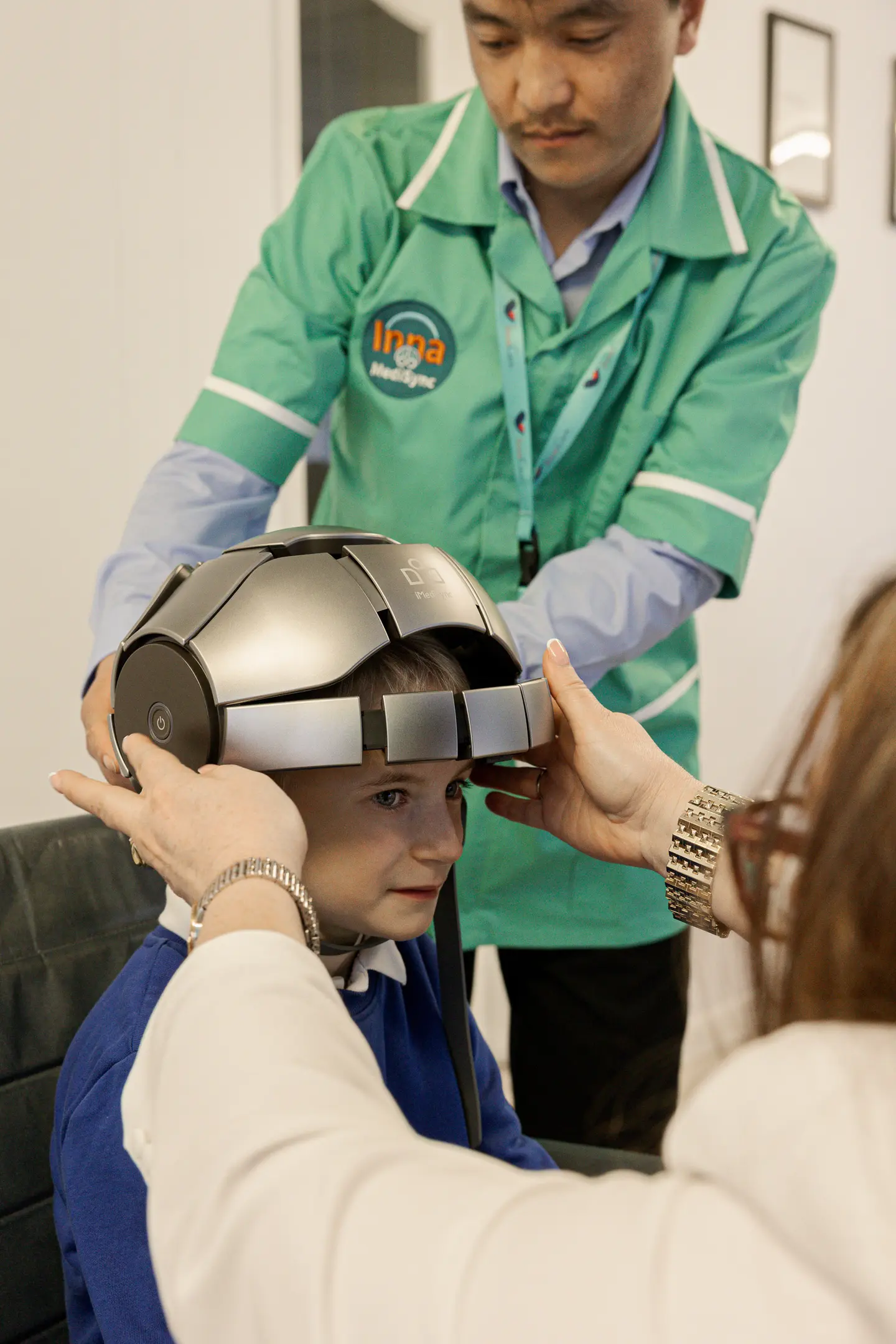
Step 2 — Comfortable fitting
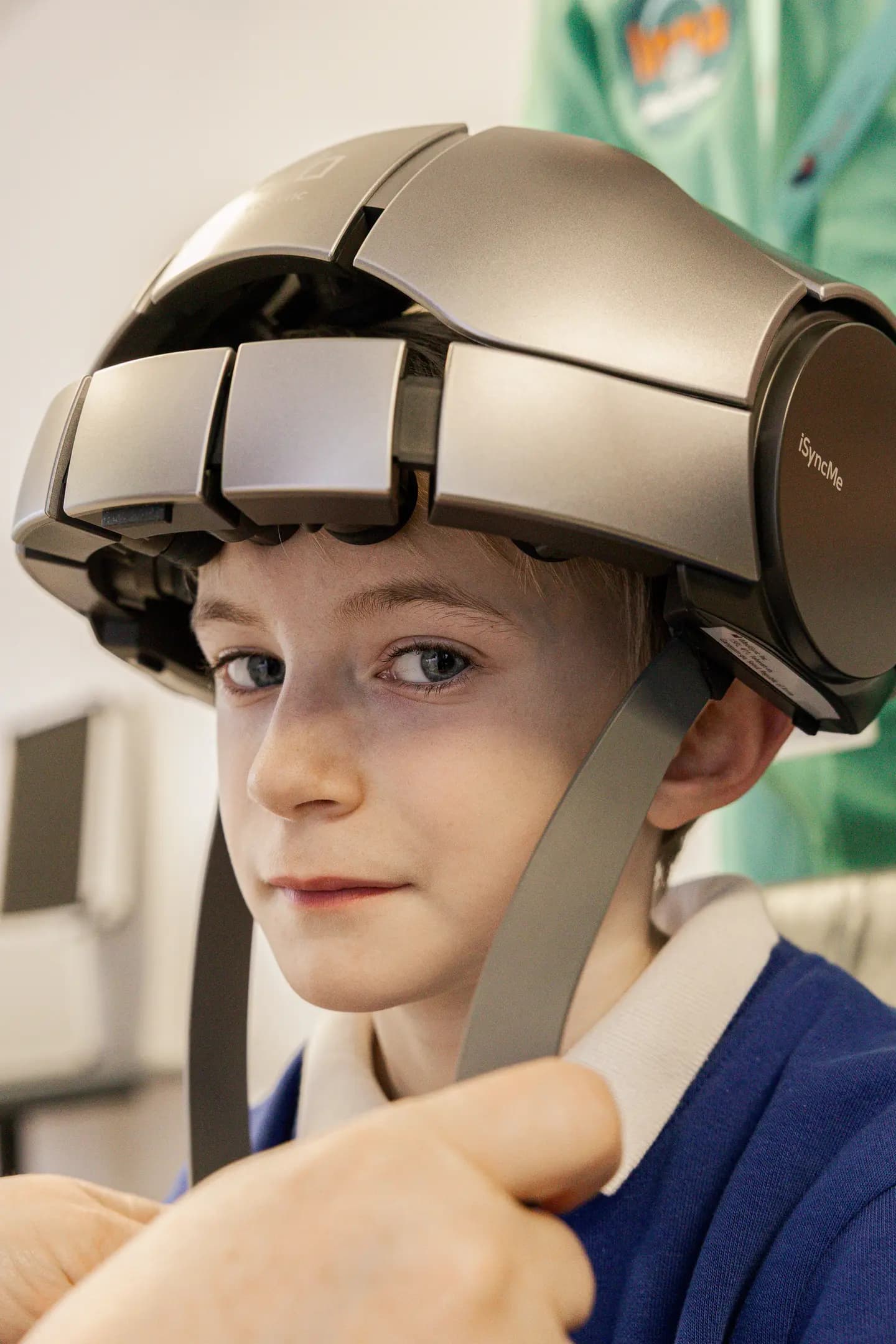
Step 3 — Session in progress
Ready to improve your focus?
Book a QEEG brain map and ADHD consultation at our private Romford clinic. See exactly what is happening in your brain — and what can be done about it.